











Chapter 17
Hatha Yoga
Or The Yogi Philosophy Of Physical Well–Being
by Yogi Ramacharaka (1904).
Yogi Ramacharaka wrote more than 100 books in the last 30 years of his life. He shared pure, sincere and
genuine knowledge. This is Real Yoga
.
How many things mentioned in this book do you do intuitively? A pure 1, that is, a person with a 1 soul and a balanced name, is more likely to be intuitively following the lessons within this book.
This book was originally published in 1904 and thus is in the public domain.
Nostril Breathing vs. Mouth Breathing
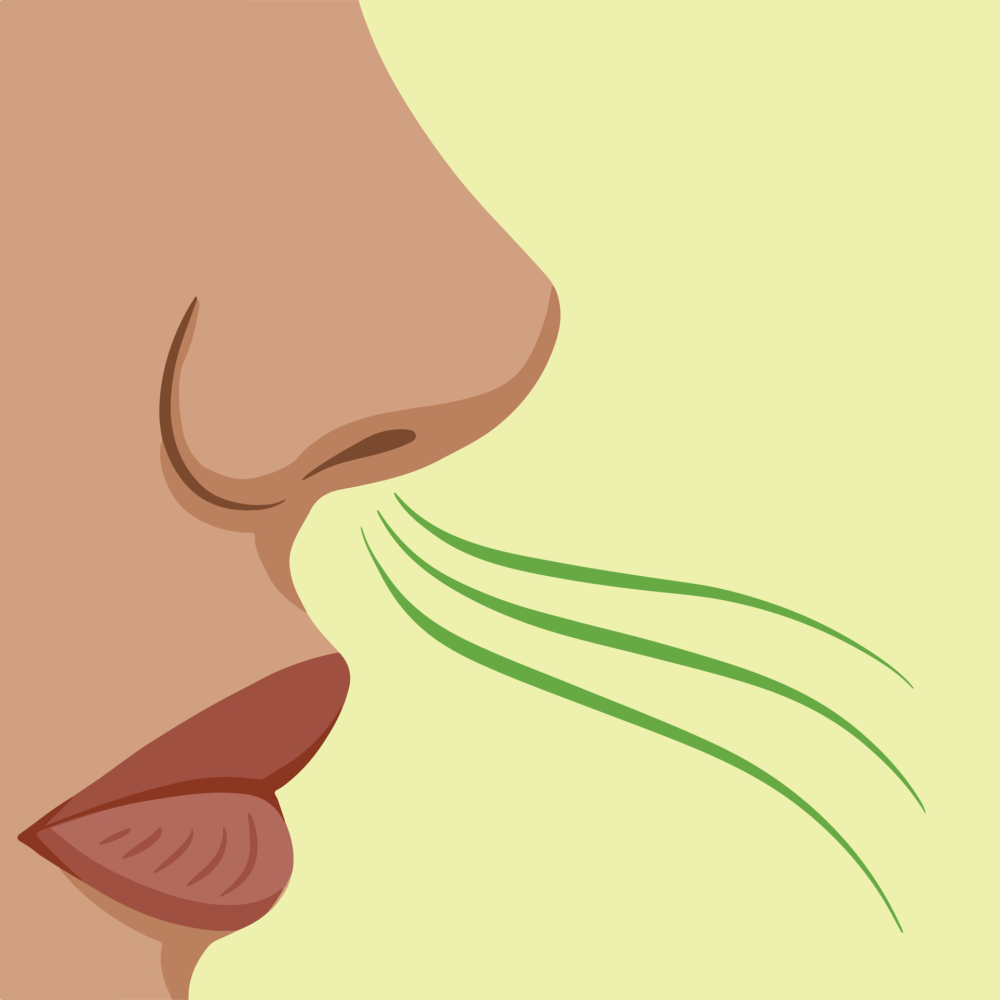
One of the first lessons in the Yogi Science of Breath, is to learn how to breathe through the nostrils, and to overcome the common practice of mouth–breathing.
The breathing mechanism of man is so constructed that he may breathe either through the mouth or nasal tubes, but it is a matter of vital importance to him which method he follows, as one brings health and strength and the other disease and weakness.
It should not be necessary to state to the student that the proper method of breathing is to take the breath through the nostrils, but alas! the ignorance among civilized people regarding this simple matter is astounding. We find people in all walks of life habitually breathing through their mouths, and allowing their children to follow their horrible and disgusting example.
Many of the diseases to which civilized man is subject are undoubtedly caused by this common habit of mouth–breathing. Children permitted to breathe in this way grow up with impaired vitality and weakened constitutions, and in manhood and womanhood break down and become chronic invalids. The mother of the savage race does better, being evidently guided by her intuition. She seems to instinctively recognize that the nostrils are the proper channels for the conveyal of air to the lungs, and she trains her infant to close its little lips and breathe through the nose. She tips its head forward when it is asleep, which attitude closes the lips and makes nostril–breathing imperative. If our civilized mothers were to adopt the same plan, it would work a great good for the race.
Many contagious diseases are contracted by the disgusting habit of mouth–breathing, and many cases of cold and catarrhal affections are also attributable to the same cause. Many persons who, for the sake of appearances, keep their mouth closed during the day, persist in mouth–breathing at night and often contract disease in this way. Carefully conducted scientific experiments have shown that soldiers and sailors who sleep with their mouths open are much more liable to contract contagious diseases than those who breathe properly through the nostrils. An instance is related in which small–pox became epidemic on a man–of–war in foreign parts, and every death which resulted was that of some sailor or marine who was a mouth–breather, not a single nostril–breather succumbing.
The organs of respiration have their only protective apparatus, filter, or dust–catcher, in the nostrils. When the breath is taken through the mouth, there is nothing from mouth to lungs to strain the air, or to catch the dust arid other foreign matter in the air. From mouth to lungs the dirt or impure substance has a clear track, and the entire respiratory system is unprotected. And, moreover, such incorrect breathing admits cold air to the organs, thereby injuring them. Inflammation of the respiratory organs often results from the inhalation of cold air through the mouth. The man who breathes through the mouth at night, always awakens with a parched feeling in the mouth and a dryness in the throat. He is violating one of nature's laws, and is sowing the seeds of disease.
Once more, remember that the mouth affords no protection to the respiratory organs, and cold air, dust and impurities and germs readily enter by that door. On the other hand, the nostrils and nasal passages show evidence of the careful design of nature in this respect. The nostrils are two narrow, tortuous channels, containing numerous bristly hairs which serve the purpose of a filter or sieve to strain the air of its impurities, etc., which are expelled when the breath is exhaled. Not only do the nostrils serve this important purpose, but they also perform an important function in warming the air inhaled. The long narrow winding nostrils are filled with warm mucous membrane, which coming in contact with the inhaled air warms it so that it can do no damage to the delicate organs of the throat, or to the lungs.
No animal, excepting man, sleeps with the mouth open or breathes through the mouth, and in fact it is believed that it is only civilized man who so perverts nature's functions, as the savage and barbarian races almost invariably breathe correctly. It is probable that this unnatural habit among civilized men has been acquired through unnatural methods of living, enervating luxuries and excessive warmth.
The refining, filtering and straining apparatus of the nostrils renders the air fit to reach the delicate organs of the throat and the lungs, and the air is not fit to so reach these organs until it has passed through nature's refining process. The impurities which are stopped and retained by the sieves and mucous membrane of the nostrils, are thrown out again by the expelled breath, in exhalation, and in case they have accumulated too rapidly or have managed to escape through the sieves and have penetrated forbidden regions, nature protects us by producing a sneeze which violently ejects the intruder.
The air, when it enters the lungs is as different from the outside air, as is distilled water different from the water of the cistern. The intricate purifying organization of the nostrils, arresting and holding the impure particles in the air, is as important as is the action of the mouth in stopping cherry stones and fish bones and preventing them from being carried on to the stomach. Man should no more breathe through his mouth than he would attempt to take food through his nose.
Another feature of mouth–breathing is that the nasal passages, being thus comparatively unused, consequently fail to keep themselves clean and clear, and become clogged up and unclean, and are apt to contract local diseases. Like abandoned roads that soon become filled with weeds and rubbish, unused nostrils become filled with impurities and foul matter.
One who habitually breathes through the nostrils is not likely to be troubled with clogged or stuffy nostrils, but for the benefit of those who have been more or less addicted to the unnatural mouth–breathing, and who wish to acquire the natural and rational method, it may perhaps be well to add a few words regarding the way to keep their nostrils clean and free from impurities.
A favorite Oriental method is to snuff a little water up the nostrils allowing it to run down the passage into the throat, from thence it may be ejected through the mouth. Some Hindu Yogis immerse the face in a bowl of water, but this latter method requires considerable practice, and the first mentioned method is equally efficacious, and much more easily performed.
Another good plan is to open the window and breathe freely, closing one nostril with the finger or thumb, sniffing up the air through the open nostril. Then repeat the process on the other nostril. Repeat several times, changing nostrils. This method will usually clear the nostrils of obstructions.
We urge upon the student the necessity of acquiring this method of breathing if he has it not, and caution him against dismissing this phase of the subject as unimportant.
Chapters
| Theory Chapter 1: What is Hatha Yoga?fakir raja karma gnana gnani jnana jnani chapter 1 |
| Theory Chapter 2: The Yogis' Regard For The Physical Bodyego conscientiously exercise western |
| Theory Chapter 3: The Work Of The Divine Architect |
| Theory Chapter 4: Our Friend, The Vital Forceprana chi |
| Theory Chapter 5: The Laboratory Of The Bodyteeth tongue saliva glands digestion stomach small intestine Pyloric Valve Pyloric Orifice gastric juice pesin fermentation yeast putrefy dyspepsia villi bile liver pancreatic juice Mastication insalivation deglutition intestinal digestion absorption circulation assimilation chyme Peptone Chyle heart glycogen kidneys urea waste ureters bladder pelvis urine headache poison |
| Theory Chapter 6: The Life Fluidblood nutrition digestion circulation heart capillaries intestinal villi veins lungs lymphatic system chyle brain impurities |
| Theory Chapter 7: The Crematory Of The Systemlungs thorax respiratory heart blood bronchi arteries breathe breathing nose pharynx larynx windpipe trachea chest diaphragm oxygen hemoglobin bronchial tubes |
| Theory Chapter 8: Nourishmentnourishment food |
| Theory Chapter 9: Hunger vs. Appetitenarcotics drugs tobacco wealthy people who were shipwrecked craving starvation alcohol whiskey |
| Theory Chapter 10: The Yogi Theory And Practice Of Prana Absorption From FoodHorace Fletcher American writer magnetism magnetic food eating |
| Theory Chapter 11: About Food |
| Theory Chapter 12: The Irrigation Of The Bodywater sweat perspiration skin kidneys lungs urine constipation colon large intestines small intestines saliva bowels bile colon prana pancreatic juice gastric juices |
| Theory Chapter 13: The Ashes Of The Systemcolon constipation small intestines appendix appendicitis Sigmoid Flexure fecal matter dyspepsia biliousness liver troubles kidney troubles |
| Theory Chapter 14: Yogi Breathingpranayama triple breath Complete Breath |
| Theory Chapter 15: Effects Of Correct Breathingpranayama triple breath Complete Breath |
| Theory Chapter 16: Breathing Exercisespranayama cleansing breath Yogi Nerve Vitalizing Exercise Yogi Vocal Breath The Retained Breath Lung Cell Stimulation Rib Stretching Chest Expansion Walking Exercise Morning Exercise Stimulating Circulation lungs muscles ligaments air cells |
| Theory Chapter 17: Nostril Breathing vs. Mouth Breathingpranayama nose |
| Theory Chapter 18: The Little Lives Of The Bodyboils pimples cells red blood red-blood gastric juice saliva pancreatic juices bile wound healing Instinctive Mind prana |
| Theory Chapter 19: The Control Of The Involuntary Systemprana colon heart liver cold feet menstruation circulation |
| Theory Chapter 20: Pranic Energyprana esoteric exoteric Nervous System Cerebro Spinal System Sympathetic System Medulla Oblongata brain mind Ganglia solar plexus Abdominal Brain manipua third chakra 3rd chakra |
| Theory Chapter 21: Pranic ExercisesPrana Generating Changing The Circulation Recharging Brain Stimulation Yogi Grand Psychic Breath heart Rhythmic Breathing grand breath |
| Theory Chapter 22: The Science Of Relaxationprana muscles instinctive mind cat panther |
| Theory Chapter 23: Rules For Relaxationprana muscles nerves anger worry anxiety stress fear smile smiling calmness stretching poses postures asanas healing health |
| Theory Chapter 24: The Use Of Physical Exerciseprana mental |
| Theory Chapter 25: The Use Of Physical Exercisefat muscles stomach shoulders arms legs back thighs abdomen |
| Theory Chapter 26: The Yogi Bathperspiration japanese pores skin waste sweat kidneys bacteria germs foot bath sleep prana Exercise To Reduce The Abdomen flat stomach standing walking posture slouching |
| Theory Chapter 27: The Solar Energyprana sunbath sun bath planets vitality morning sun |
| Theory Chapter 28: Fresh Airprana lungs kidneys colon bowels skin sleep |
| Theory Chapter 29: Sleepfresh air relaxation |
| Theory Chapter 30: Regenerationprana sex solar plexus kama sutra |
| Theory Chapter 31: The Mental Attitudecheerful happy happiness gloom worry fear hate jealousy anger depressing depression anxiety poison water mothers milk negative thinking positive thinking grief diabetes cancer grief jaundice insanity idiocy paralysis jaundice premature greyness baldness decay of the teeth uterine troubles erysipelas eczema impetigo contagious diseases bright cheerful happy calmness peace strength absolute fearlessness stop and smell the roses |
| Theory Chapter 32: Lead By The Spiritinstinct intuition |
| Hatha Yoga Todayvaccines health geo-engineering climate change holistic health natural health wifi emf celtic salt circadian rhythm |
The Real Yoga
website is designed to be a self–study website. But, feel free
to send us a message — but do make sure your email is correct.