












 IndexIntroPosesChairSimple 1Simple 2Simple 3Simple 4Simple 5Simple 6Simple 7Simple 8BasicLesson #1Lesson #2Lesson #3Lesson #4Lesson #5Theory 1Theory 2Theory 3Theory 4Theory 5Theory 6Theory 7Theory 8Theory 9Theory 10Theory 11Theory 12Theory 13Theory 14Theory 15Theory 16Theory 17Theory 18Theory 19Theory 20Theory 21Theory 22Theory 23Theory 24Theory 25Theory 26Theory 27Theory 28Theory 29Theory 30Theory 31Theory 32Theory 33
Chapter 9
Hatha Yoga
Or The Yogi Philosophy Of Physical Well–Being
by Yogi Ramacharaka (1904).
Yogi Ramacharaka wrote more than 100 books in the last 30 years of his life. He shared pure, sincere and
genuine knowledge. This is Real Yoga
.
How many things mentioned in this book do you do intuitively? A pure 1, that is, a person with a 1 soul and a balanced name, is more likely to be intuitively following the lessons within this book.
This book was originally published in 1904 and thus is in the public domain.
Hunger vs. Appetite
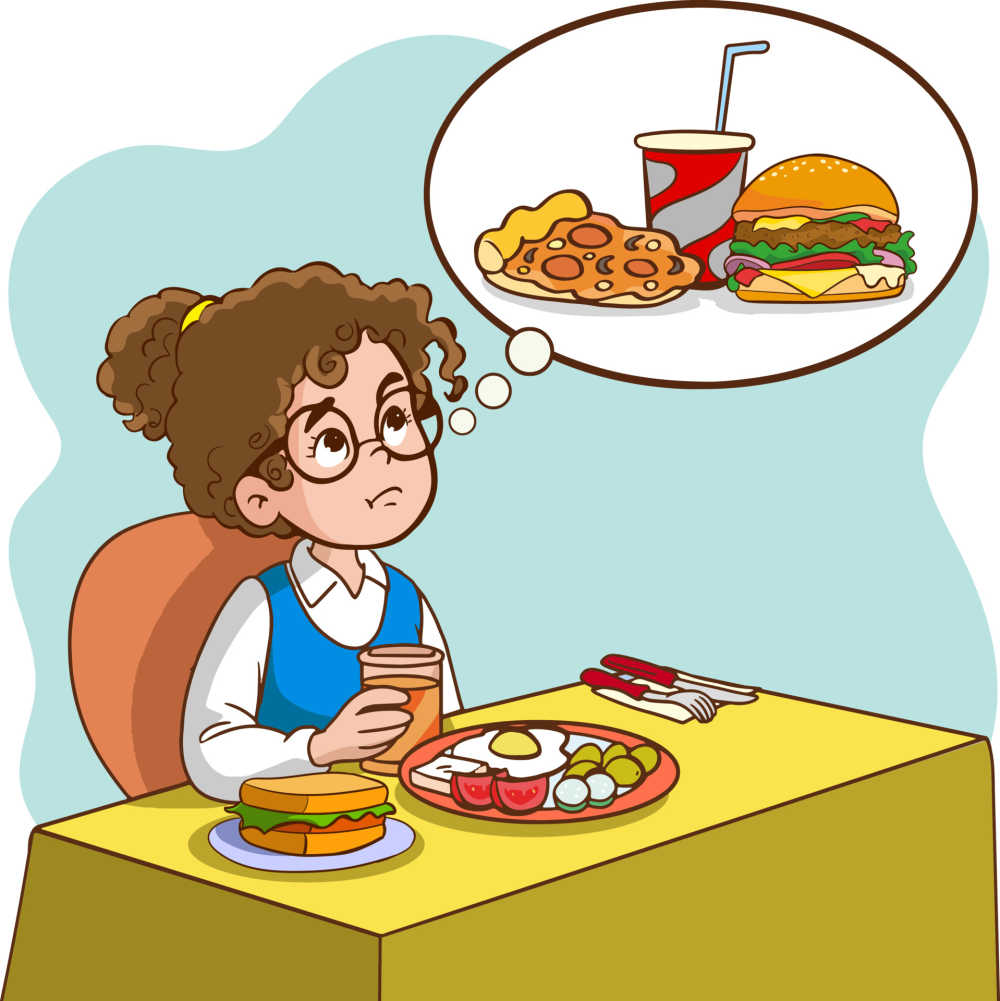
As we said at the conclusion of the preceding chapter, Hunger and Appetite are two entirely different attributes of the human body. Hunger is the normal demand for food— Appetite the abnormal craving. Hunger is like the rosy hue upon the cheek of the healthy child— Appetite is like the rouged face of the woman of fashion. And yet most people use the terms as if their meaning were identical. Let us see wherein lies the difference.
It is quite difficult to explain the respective sensations, or symptoms, of Hunger and Appetite, to the average person who has attained the age of maturity, for the majority of persons of that age have had their natural taste, or hunger–instinct, perverted by Appetite to such an extent that they have not experienced the sensation of genuine hunger for many years, and have forgotten just what it felt like. And it is hard to describe a sensation unless one can call up in the mind of his hearer the recollection of the same, or a similar sensation, experienced at some time in the past. We can describe a sound to the person of normal hearing by comparing it with something he has heard— but imagine the difficulty of conveying an intelligent idea of a sound to a man who was born stone–deaf
; or of describing a color to a man born blind; or of giving an intelligent description of an odor to one born without the sense of smell.
To one who has emancipated himself from the thrall of appetite, the respective sensations of Hunger and Appetite are quite different and readily distinguished one from the other, and the mind of such a one readily grasps the precise meaning of each term. But to the ordinary civilized
man Hunger
means the source of appetite and Appetite
the result of hunger. Both words are misused. We must illustrate this by familiar examples.
Let us take Thirst, for instance. All of us know the sensation of a good, natural thirst, which calls for a draught of cool water. It is felt in the mouth and throat, and can be satisfied only with that which Nature intended for it— cool water. Now, this natural thirst is akin to natural Hunger.
How different is this natural thirst from the craving which one acquires for sweetened, flavored soda–water, ice–cream soda, ginger ale, pop
, soft drinks
, etc., etc. And how different from the thirst (?) which one feels for beer, alcoholic liquors, etc., after the taste has once been acquired. Do you begin to see what we mean?
We hear people say that they are so thirsty
for a glass of soda–water; or others say that they are thirsty
for a drink of whisky. Now, if these people were really thirsty, or, in other words, if Nature was really calling for fluids, pure water would be just what they would first seek for, and pure water would be just what they would first seek for, and pure water would be the thing which would best gratify the thirst. But, no! water will not satisfy this soda–water or whisky thirst. Why? Simply because it is a craving of an appetite which is not a natural thirst, but which is, on the contrary, an abnormal appetite— a perverted taste. The appetite has been created— the habit acquired— and it is asserting the mastery. You will notice that the victims of these abnormal thirsts
will occasionally experience a real thirst, at which time water alone will be sought, and the tipple of the appetite not thought of. Just think a moment— is not this so with you? This is not a lecture directed against the fancy drink habit, or a temperance sermon, but just an illustration of the difference between a natural instinct and an acquired habit, or appetite. Appetite is an acquired habit of eating or drinking, and has but little to do with real hunger or thirst.
A man acquires an appetite for tobacco in any of its forms; or for liquor, or for chewing–gum, or for opium, morphine, cocaine, or similar drugs. And an appetite once acquired becomes, if anything, stronger than that natural demand for food or drink, for men have been known to die of starvation because they had spent all of their money for drink or narcotics. Men have sold their babies' stockings for drink— have stolen and even murdered in order to gratify their appetite for narcotics. And yet who would think of calling this terrible craving of appetite by the name of Hunger? And yet we continue to speak of, and think of, every craving for something to put into the stomach as Hunger, while many of these cravings are as much a symptom of Appetite as is the craving or desire for alcohol or narcotics.
The lower animal has a natural hunger until it is spoiled by contact with man (or woman) who tempts it with candies and similar articles, miscalled food. The young child has a natural hunger until it is spoiled in the same way. In the child, natural hunger is more or less replaced by acquired appetites, the degree depending largely upon the amount of wealth its parents possess— the greater the wealth, the greater the acquirement of false appetite. And as it grows older, it loses all recollection of what real Hunger means. In fact, people speak of Hunger as a distressing thing, rather than as a natural instinct. Sometimes men go out camping, and the open air, exercise, and natural life gives them again a taste of real hunger, and they eat like school boys and with a relish they have not known for years. They feel hungry
in earnest, and eat because they have to, not from mere habit, as they do when they are home and are overloading their stomachs continually.
We recently read of a party of wealthy people who were shipwrecked while on a yachting pleasure trip. They were compelled to live on the most meager fare for about ten days. When rescued they looked the picture of health— rosy, bright–eyed, and possessed of the precious gift of a good, natural Hunger. Some of the party had been dyspeptics for years, but the ten days' experience with food scarce and at a premium, had completely cured them of their dyspepsia and other troubles. They had obtained sufficient to properly nourish them, and had gotten rid of the waste products of the system which had been poisoning them. Whether or not they staid cured
depended upon whether they again exchanged Hunger for Appetite.
Natural hunger— like natural Thirst expresses itself through the nerves of the mouth and throat. When one is hungry, the thought or mention of food causes a peculiar sensation in the mouth, throat and salivary glands. The nerves of those parts manifest a peculiar sensation, the saliva begins to flow, and the whole of the region manifests a desire to get to work. The stomach gives no symptoms whatever, and is not at all in evidence at such times. One feels that the taste
of good wholesome food would be most pleasurable. There is none of those feelings of faintness, emptiness, gnawing, all–goneness
, etc., in the region of the stomach. These last mentioned symptoms are all characteristic of the Appetite habit, which is insisting that the habit must be continued. Did you ever notice that the drink habit calls forth just such symptoms? The craving and all–gone
feeling is characteristic of both forms of abnormal appetite. The man who is craving a smoke, or a chew of tobacco feels the same way.
A man often wonders why he cannot get a dinner such as mother used to cook
. Do you know why he cannot get it? Simply because he has replaced his natural Hunger by an abnormal appetite, and he does not feel satisfied unless he gratifies that Appetite, which renders the homely fare of the past an impossibility. If the man were to cultivate a natural hunger, by a return to first principles, he would have restored to him the meals of his youth— he would find many cooks just as good as mother
was, for he would be a boy again.
You are probably wondering what all this has to do with Hatha Yoga, are you not? Well, just this: The Yogi has conquered appetite, and allows Hunger to manifest through him. He enjoys every mouthful of food, even to the crust of dry bread, and obtains nourishment and pleasure from it. He eats it in a manner unknown to most of you, which will be described a little further on, and so far from being a half–starved anchorite, he is a well–fed, properly nourished enjoyer of the feast, for he has possessed himself of that most piquant of all sauces— Hunger.
Chapters
| Theory Chapter 1: What is Hatha Yoga?fakir raja karma gnana gnani jnana jnani chapter 1 |
| Theory Chapter 2: The Yogis' Regard For The Physical Bodyego conscientiously exercise western |
| Theory Chapter 3: The Work Of The Divine Architect |
| Theory Chapter 4: Our Friend, The Vital Forceprana chi |
| Theory Chapter 5: The Laboratory Of The Bodyteeth tongue saliva glands digestion stomach small intestine Pyloric Valve Pyloric Orifice gastric juice pesin fermentation yeast putrefy dyspepsia villi bile liver pancreatic juice Mastication insalivation deglutition intestinal digestion absorption circulation assimilation chyme Peptone Chyle heart glycogen kidneys urea waste ureters bladder pelvis urine headache poison |
| Theory Chapter 6: The Life Fluidblood nutrition digestion circulation heart capillaries intestinal villi veins lungs lymphatic system chyle brain impurities |
| Theory Chapter 7: The Crematory Of The Systemlungs thorax respiratory heart blood bronchi arteries breathe breathing nose pharynx larynx windpipe trachea chest diaphragm oxygen hemoglobin bronchial tubes |
| Theory Chapter 8: Nourishmentnourishment food |
| Theory Chapter 9: Hunger vs. Appetitenarcotics drugs tobacco wealthy people who were shipwrecked craving starvation alcohol whiskey |
| Theory Chapter 10: The Yogi Theory And Practice Of Prana Absorption From FoodHorace Fletcher American writer magnetism magnetic food eating |
| Theory Chapter 11: About Food |
| Theory Chapter 12: The Irrigation Of The Bodywater sweat perspiration skin kidneys lungs urine constipation colon large intestines small intestines saliva bowels bile colon prana pancreatic juice gastric juices |
| Theory Chapter 13: The Ashes Of The Systemcolon constipation small intestines appendix appendicitis Sigmoid Flexure fecal matter dyspepsia biliousness liver troubles kidney troubles |
| Theory Chapter 14: Yogi Breathingpranayama triple breath Complete Breath |
| Theory Chapter 15: Effects Of Correct Breathingpranayama triple breath Complete Breath |
| Theory Chapter 16: Breathing Exercisespranayama cleansing breath Yogi Nerve Vitalizing Exercise Yogi Vocal Breath The Retained Breath Lung Cell Stimulation Rib Stretching Chest Expansion Walking Exercise Morning Exercise Stimulating Circulation lungs muscles ligaments air cells |
| Theory Chapter 17: Nostril Breathing vs. Mouth Breathingpranayama nose |
| Theory Chapter 18: The Little Lives Of The Bodyboils pimples cells red blood red-blood gastric juice saliva pancreatic juices bile wound healing Instinctive Mind prana |
| Theory Chapter 19: The Control Of The Involuntary Systemprana colon heart liver cold feet menstruation circulation |
| Theory Chapter 20: Pranic Energyprana esoteric exoteric Nervous System Cerebro Spinal System Sympathetic System Medulla Oblongata brain mind Ganglia solar plexus Abdominal Brain manipua third chakra 3rd chakra |
| Theory Chapter 21: Pranic ExercisesPrana Generating Changing The Circulation Recharging Brain Stimulation Yogi Grand Psychic Breath heart Rhythmic Breathing grand breath |
| Theory Chapter 22: The Science Of Relaxationprana muscles instinctive mind cat panther |
| Theory Chapter 23: Rules For Relaxationprana muscles nerves anger worry anxiety stress fear smile smiling calmness stretching poses postures asanas healing health |
| Theory Chapter 24: The Use Of Physical Exerciseprana mental |
| Theory Chapter 25: The Use Of Physical Exercisefat muscles stomach shoulders arms legs back thighs abdomen |
| Theory Chapter 26: The Yogi Bathperspiration japanese pores skin waste sweat kidneys bacteria germs foot bath sleep prana Exercise To Reduce The Abdomen flat stomach standing walking posture slouching |
| Theory Chapter 27: The Solar Energyprana sunbath sun bath planets vitality morning sun |
| Theory Chapter 28: Fresh Airprana lungs kidneys colon bowels skin sleep |
| Theory Chapter 29: Sleepfresh air relaxation |
| Theory Chapter 30: Regenerationprana sex solar plexus kama sutra |
| Theory Chapter 31: The Mental Attitudecheerful happy happiness gloom worry fear hate jealousy anger depressing depression anxiety poison water mothers milk negative thinking positive thinking grief diabetes cancer grief jaundice insanity idiocy paralysis jaundice premature greyness baldness decay of the teeth uterine troubles erysipelas eczema impetigo contagious diseases bright cheerful happy calmness peace strength absolute fearlessness stop and smell the roses |
| Theory Chapter 32: Lead By The Spiritinstinct intuition |
| Hatha Yoga Todayvaccines health geo-engineering climate change holistic health natural health wifi emf celtic salt circadian rhythm |
Send Message
The Real Yoga
website is designed to be a self–study website. But, feel free
to send us a message — but do make sure your email is correct.
Respecting Your Privacy
No spying. No cookies. No Google. No advertising. No tracking. No joking — well, maybe a few jokes.
Say yes to 100% free! Two thumbs up!









IndexIntroPosesChairSimple 1Simple 2Simple 3Simple 4Simple 5Simple 6Simple 7Simple 8BasicLesson #1Lesson #2Lesson #3Lesson #4Lesson #5Theory 1Theory 2Theory 3Theory 4Theory 5Theory 6Theory 7Theory 8Theory 9Theory 10Theory 11Theory 12Theory 13Theory 14Theory 15Theory 16Theory 17Theory 18Theory 19Theory 20Theory 21Theory 22Theory 23Theory 24Theory 25Theory 26Theory 27Theory 28Theory 29Theory 30Theory 31Theory 32Theory 33Thoughtless Thoughts