







Chapter 6
Hatha Yoga
Or The Yogi Philosophy Of Physical Well–Being
by Yogi Ramacharaka (1904).
Yogi Ramacharaka wrote more than 100 books in the last 30 years of his life. He shared pure, sincere and
genuine knowledge. This is Real Yoga
.
How many things mentioned in this book do you do intuitively? A pure 1, that is, a person with a 1 soul and a balanced name, is more likely to be intuitively following the lessons within this book.
This book was originally published in 1904 and thus is in the public domain.
The Life Fluid
In our last chapter we gave you an idea of how the food we eat is gradually transformed and resolved into substances capable of being absorbed and taken up by the blood, which carries the nourishment to all parts of the system, where it is used in building tip, repairing and renewing the several parts of the physical man. In this chapter we will give you a brief description of how this work of the blood is carried on.
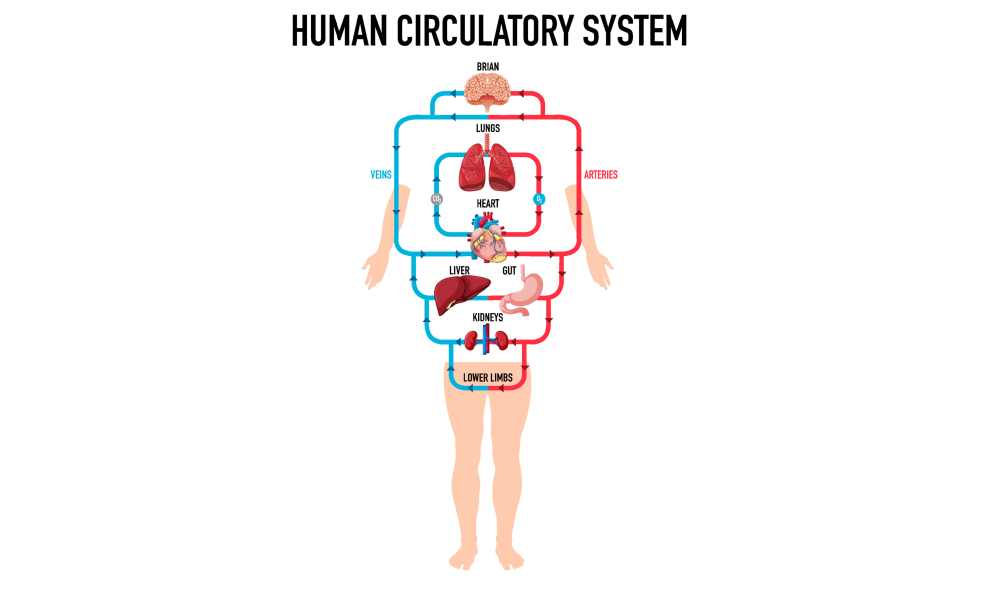
The nutritive portions of the digested food is taken up by the circulation and becomes blood. The blood flows through the arteries to every cell and tissue of the body that it may perform its constructive and recuperative work. It then returns through the arteries, carrying with it the broken down cells and other waste matter of the system, that the waste may be expelled from the system by the lungs and other organs performing the casting–out
work of the system. This flow of the blood to and from the heart is called the Circulation.
The engine which drives this wonderful system of physical machinery is, of course, the Heart. We will not take tip your time describing the heart, but will instead tell you something of the work performed by it.
Let us begin at the point at which we left off in our last chapter— the pointat which the nourishment of the food, taken up by the blood which assimilates it, reaches the heart, which sends it out on its errand of nourishing the body.
The blood starts on its journey through the arteries, which are a series of elastic canals, having divisions and subdivisions, beginning with the main canals which feed the smaller ones, which in turn feed still smaller ones until the capillaries are reached. The capillaries are very small blood vessels measuring about one three–thousandth of an inch in diameter. They resemble very fine hairs, which resemblance gives them their name. The capillaries penetrate the tissues in meshes of network, bringing the blood in close contact with all the parts. Their walls are very thin and the nutritious ingredients of the blood exude through their walls and are taken up by the tissues. The capillaries not only exude the nourishment from the blood, but they also take tip the blood on its return journey (as we will see presently) and generally fetch and carry for the system, including the absorption of the nourishment of the food from the intestinal villi, as described in our last chapter.
Well, to get back to the arteries. They carry the rich, red, pure blood from the heart, laden with health–giving nutrition and life, distributing it through large canal into smaller, from smaller into still smaller, until finally the tiny hair–like capillaries are reached and the tissues take up the nourishment and use it for building purposes, the wonderful little cells of the body doing this work most intelligently. (We shall have something to say regarding the work of these cells, bye–and–bye). The blood having given up a supply of nourishment, begins its return journey to heart, taking with it the waste products, dead cells, broken–down tissue and other refuse of the system. It starts with the capillaries, but this return journey is not made through the arteries, but by a switch–off arrangement it is directed into the smaller veinlets of the venous system (or system of veins
), from whence it passes to the larger veins and on to the heart. Before it reaches the arteries again, on a new trip, however, something happens to it. It goes to the crematory of the lungs, in order to have its waste matter and impurities burnt tip and cast off. In another chapter we will tell you about this work of the lungs.
Before passing on, however, we must tell you that there exists another fluid which circulates through the system. This is called the Lymph, which closely resembles the blood in composition. It contains sonic of the ingredients of the blood which have exuded from the walls of the blood–vessels and some of the waste products of the system, which, after being cleansed and made–over
by the lymphatic system, re–enter the blood, and are again used. The lymph circulate in thin vein–like canals, so small that they cannot be readily seen by the human eye, until they are injected with quick silver. These canals empty into several of the large veins, and the lymph then mingles with the returning blood, on its way to the heart. The
Chyle,
after leaving the small intestine (see last lesson) mingles with the lymph from the lower parts of the body, and gets into the blood in this way, while the other products of the digested food pass through the portal vein and the liver on their journey— so that, although they take different routes, they meet again in the circulating blood.
So, you will see the blood is the constituent of the body which, directly or indirectly, furnishes nourishment and life to all the parts of the body. If the blood is poor, or the circulation weak, nutrition of some parts of the body must be impaired, and diseased conditions will result. The blood supplies about one–tenth of man's weight. Of this amount about one–quarter is distributed in the heart, lungs, large arteries and veins about one–quarter in the liver; about one–quarter in the muscles, the remaining quarter being distributed among the remaining organs and tissues. The brain utilizes about one–fifth of the entire quantity of blood.
Remember, always, in thinking about the blood, that the blood is what you make it by the food you eat, and the way yon eat it. You can have the very best kind of blood, and plenty of it, by selecting the proper foods, and by eating such food as Nature intended you to do. Or, on the other hand, you may have very poor blood, and an insufficient quantity of it, by foolish gratification of the abnormal Appetite, and by improper eating (not worthy of the name) of any kind of food. The blood is the life— and you make the blood— that is the matter in a nut–shell.
Now, let us pass on to the crematory of the lungs, and see what is going to happen to that blue, impure venous blood, which has come back from all parts of the body, laden with impurities and waste matter. Let us have a look at the crematory.
Chapters
| Theory Chapter 1: What is Hatha Yoga?fakir raja karma gnana gnani jnana jnani chapter 1 |
| Theory Chapter 2: The Yogis' Regard For The Physical Bodyego conscientiously exercise western |
| Theory Chapter 3: The Work Of The Divine Architect |
| Theory Chapter 4: Our Friend, The Vital Forceprana chi |
| Theory Chapter 5: The Laboratory Of The Bodyteeth tongue saliva glands digestion stomach small intestine Pyloric Valve Pyloric Orifice gastric juice pesin fermentation yeast putrefy dyspepsia villi bile liver pancreatic juice Mastication insalivation deglutition intestinal digestion absorption circulation assimilation chyme Peptone Chyle heart glycogen kidneys urea waste ureters bladder pelvis urine headache poison |
| Theory Chapter 6: The Life Fluidblood nutrition digestion circulation heart capillaries intestinal villi veins lungs lymphatic system chyle brain impurities |
| Theory Chapter 7: The Crematory Of The Systemlungs thorax respiratory heart blood bronchi arteries breathe breathing nose pharynx larynx windpipe trachea chest diaphragm oxygen hemoglobin bronchial tubes |
| Theory Chapter 8: Nourishmentnourishment food |
| Theory Chapter 9: Hunger vs. Appetitenarcotics drugs tobacco wealthy people who were shipwrecked craving starvation alcohol whiskey |
| Theory Chapter 10: The Yogi Theory And Practice Of Prana Absorption From FoodHorace Fletcher American writer magnetism magnetic food eating |
| Theory Chapter 11: About Food |
| Theory Chapter 12: The Irrigation Of The Bodywater sweat perspiration skin kidneys lungs urine constipation colon large intestines small intestines saliva bowels bile colon prana pancreatic juice gastric juices |
| Theory Chapter 13: The Ashes Of The Systemcolon constipation small intestines appendix appendicitis Sigmoid Flexure fecal matter dyspepsia biliousness liver troubles kidney troubles |
| Theory Chapter 14: Yogi Breathingpranayama triple breath Complete Breath |
| Theory Chapter 15: Effects Of Correct Breathingpranayama triple breath Complete Breath |
| Theory Chapter 16: Breathing Exercisespranayama cleansing breath Yogi Nerve Vitalizing Exercise Yogi Vocal Breath The Retained Breath Lung Cell Stimulation Rib Stretching Chest Expansion Walking Exercise Morning Exercise Stimulating Circulation lungs muscles ligaments air cells |
| Theory Chapter 17: Nostril Breathing vs. Mouth Breathingpranayama nose |
| Theory Chapter 18: The Little Lives Of The Bodyboils pimples cells red blood red-blood gastric juice saliva pancreatic juices bile wound healing Instinctive Mind prana |
| Theory Chapter 19: The Control Of The Involuntary Systemprana colon heart liver cold feet menstruation circulation |
| Theory Chapter 20: Pranic Energyprana esoteric exoteric Nervous System Cerebro Spinal System Sympathetic System Medulla Oblongata brain mind Ganglia solar plexus Abdominal Brain manipua third chakra 3rd chakra |
| Theory Chapter 21: Pranic ExercisesPrana Generating Changing The Circulation Recharging Brain Stimulation Yogi Grand Psychic Breath heart Rhythmic Breathing grand breath |
| Theory Chapter 22: The Science Of Relaxationprana muscles instinctive mind cat panther |
| Theory Chapter 23: Rules For Relaxationprana muscles nerves anger worry anxiety stress fear smile smiling calmness stretching poses postures asanas healing health |
| Theory Chapter 24: The Use Of Physical Exerciseprana mental |
| Theory Chapter 25: The Use Of Physical Exercisefat muscles stomach shoulders arms legs back thighs abdomen |
| Theory Chapter 26: The Yogi Bathperspiration japanese pores skin waste sweat kidneys bacteria germs foot bath sleep prana Exercise To Reduce The Abdomen flat stomach standing walking posture slouching |
| Theory Chapter 27: The Solar Energyprana sunbath sun bath planets vitality morning sun |
| Theory Chapter 28: Fresh Airprana lungs kidneys colon bowels skin sleep |
| Theory Chapter 29: Sleepfresh air relaxation |
| Theory Chapter 30: Regenerationprana sex solar plexus kama sutra |
| Theory Chapter 31: The Mental Attitudecheerful happy happiness gloom worry fear hate jealousy anger depressing depression anxiety poison water mothers milk negative thinking positive thinking grief diabetes cancer grief jaundice insanity idiocy paralysis jaundice premature greyness baldness decay of the teeth uterine troubles erysipelas eczema impetigo contagious diseases bright cheerful happy calmness peace strength absolute fearlessness stop and smell the roses |
| Theory Chapter 32: Lead By The Spiritinstinct intuition |
| Hatha Yoga Todayvaccines health geo-engineering climate change holistic health natural health wifi emf celtic salt circadian rhythm |
The Real Yoga
website is designed to be a self–study website. But, feel free
to send us a message — but do make sure your email is correct.